

Line
Carries electrical current to the connected device.
Visit the Global Website or select your region below.
We expect electrical devices to work safely when we turn them on. But when something goes wrong inside a device, electricity can take an unintended path and create hazards for both people and equipment.
This is where grounding plays an important role. It provides a path for fault current, helping reduce the risk of electric shock, equipment damage, and other hazards when an electrical fault occurs. Understanding the role of grounding is key to electrical safety.
In a typical electrical system, Line (or Hot) and Neutral carry current during normal operation, while Ground (or Earth) serves a different safety function.
Carries electrical current to the connected device.

Provides the return path for current to complete the electrical circuit.

Provides a low-resistance path for fault current when an electrical fault occurs. It is not used to supply power to the device.
Imagine a desktop computer with a grounded power connection and a damaged wire inside its power supply. Under normal conditions, electricity flows safely through the intended circuit. However, if the damaged wire accidentally contacts the computer’s metal enclosure, the enclosure itself can become energized.

Fault current is directed through the grounding path, allowing protective devices such as circuit breakers or fuses to disconnect power when the fault current reaches their operating threshold, reducing the risk of electric shock, equipment damage and other hazards.

The energized metal case could create a shock hazard for anyone touching it.
 Distribution Box
 Device
Grounding is an important part of electrical safety, but comprehensive power protection goes beyond grounding alone. Critical equipment can also be affected by other power-related issues, such as outages, voltage fluctuations, and transient voltage spikes.
Combining grounding with other power protection technologies helps address these different risks. For example, surge protectors help guard against transient voltage spikes, while UPS systems provide backup power to keep equipment running during outages.
CyberPower’s UPS systems and surge protection solutions provide additional protection for critical equipment across a range of applications.
This product is not available in your region.
Please upgrade to a modern, fully supported browser for best performance of the site.
By closing this window you acknowledge that your experience on our website may be degraded.
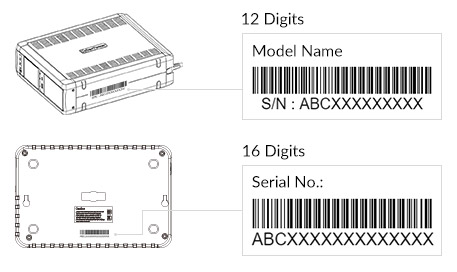
Every CyberPower product has a unique serial number (S/N) and they can only be 12 or 16 digits.
The location of the serial number label may vary by different products, but you can find it on the back or bottom side of most products.

Are you sure you want to leave this page? The selected itmes will be cleared.
Restart Stay on this pageThanks for registering with us. An email has been sent to you with a link to activate your account. If you do not receive the email, please check your spam folder or contact us.
OKThis serial number is not for a qualifying product. Please check if the serial number is the same as that on your package box.
OKYour password reset request has been submitted. An email with instructions will be sent to your inbox. If not received, please check your email spam or junk folder.
OKThis product is not available in your region.
This product is not available in your region.
The solutions are not available in your region.

